
Pratisara Bumi Joins IDEAS Asia Pacific 3.0 to Share Stories of Women and Youth Leading Sustainability in Indonesia
On 5 August 2026, Pratisara Bumi Foundation joined as one of the speakers at the Deep Dive Sensing Visit, part of the IDEAS Asia Pacific 3.0 learning journey at Yayasan Sinar Harapan Bali.
This event was initiated by the United in Diversity (UID) Foundation and affiliated with the Massachusetts Institute of Technology (MIT). IDEAS (Innovative Dynamic Education and Action for Sustainability) is a transformational leadership program that brings together leaders from across the Asia Pacific region to explore and advance approaches to sustainable development.
During the visit, Pratisara Bumi shared insights from our work alongside grassroots women leaders in partnership with Women’s Earth Alliance, young people and local communities. We shared insights from work mapping and connecting progressive women leaders across Indonesia who are driving sustainability in their communities, particularly through environmental conservation and eco-business initiatives.
The session also featured two other organisations, each bringing a distinct perspective from their respective fields. Yayasan Sinar Harapan Bali shared its experience in supporting children’s education, while Yayasan Peduli Kemanusiaan Bali shared its work with children with disabilities in Bali. Together, the three organizations offered different perspectives on how local organizations and community leaders are contributing to social and sustainable change through diverse areas of work.
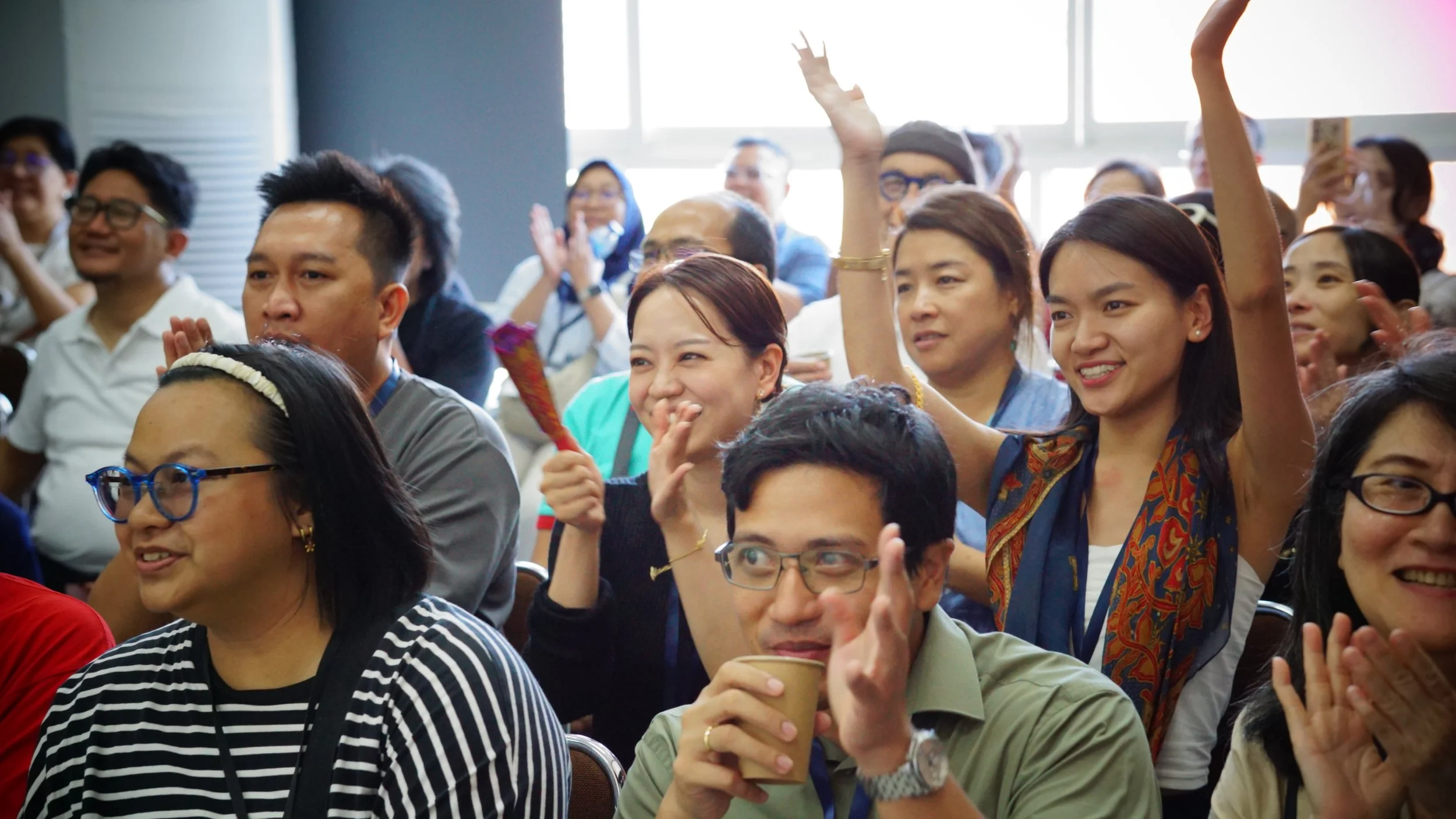
Photo credit: Yayasan Sinar Harapan Bali
Beyond sharing our own experiences, that visit was also an opportunity for mutual learning. We had the chance to exchange perspectives with other organizations and leaders from across the Asia Pacific region and learn from the different journeys, experiences, and challenges they continue to navigate in advancing sustainable change.
Bringing Grassroots Perspectives to the Conversation
We shared our experiences in catalyzing sustainability solutions from the ground up, connecting women leaders across Indonesia with young people to drive environmental sustainability.
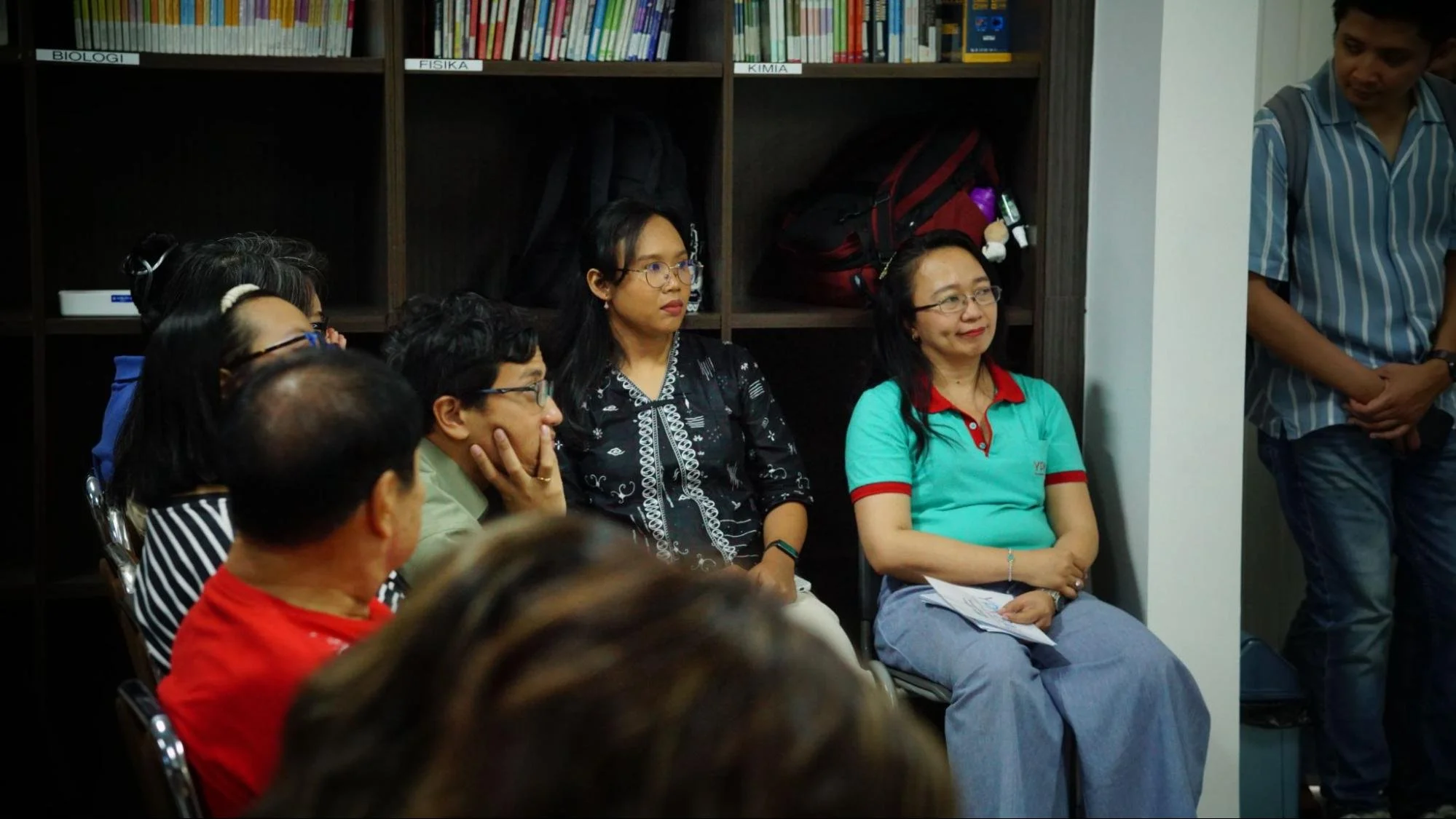
Photo credit: Yayasan Sinar Harapan Bali
The movement emerged from a shared concern over the rapid economic growth that has placed growing pressure on Indonesia’s socio-cultural and environmental ecosystems through overconsumption, overproduction, and exploitation.
We shared how we see our role as enablers—creating the space, connections, and support for leaders to grow and take action within their own communities. Rather than creating change for communities, we invest in developing leaders who can drive meaningful change themselves. This approach also connects with IDEAS, which similarly focuses on developing leaders as catalysts for community-driven impact.
Our programs drive concrete change through economic resilience, innovation, empowerment, and environmental conservation–from women’s eco-entrepreneurship, communal forests, and grassroots leadership to youth programs in sustainable business, traditional technology, and leadership.
We believe that meaningful change does not end when a program does. Our commitment continues through long-term engagement with leaders and communities–nurturing relationships, strengthening networks, and supporting their ongoing efforts to create sustainable change.
During the session, we also highlighted the interconnected challenges faced by us and our communities, including unequal access to connectivity, support networks, and opportunities—particularly in rural areas—limited pathways to sustainable livelihoods, and insufficient funding and support for the programs.
“We can walk alongside these women leaders, but we can’t build roads, signals, or markets alone. What’s one thing in this room’s power, as leaders, as government, as government, as community, that could close that gap?”
The question finally reflects our belief that building a supportive ecosystem for women and community-led sustainability cannot be done alone. It requires collective action and systemic support to collaborate, share resources and help create the conditions for these initiatives to thrive.
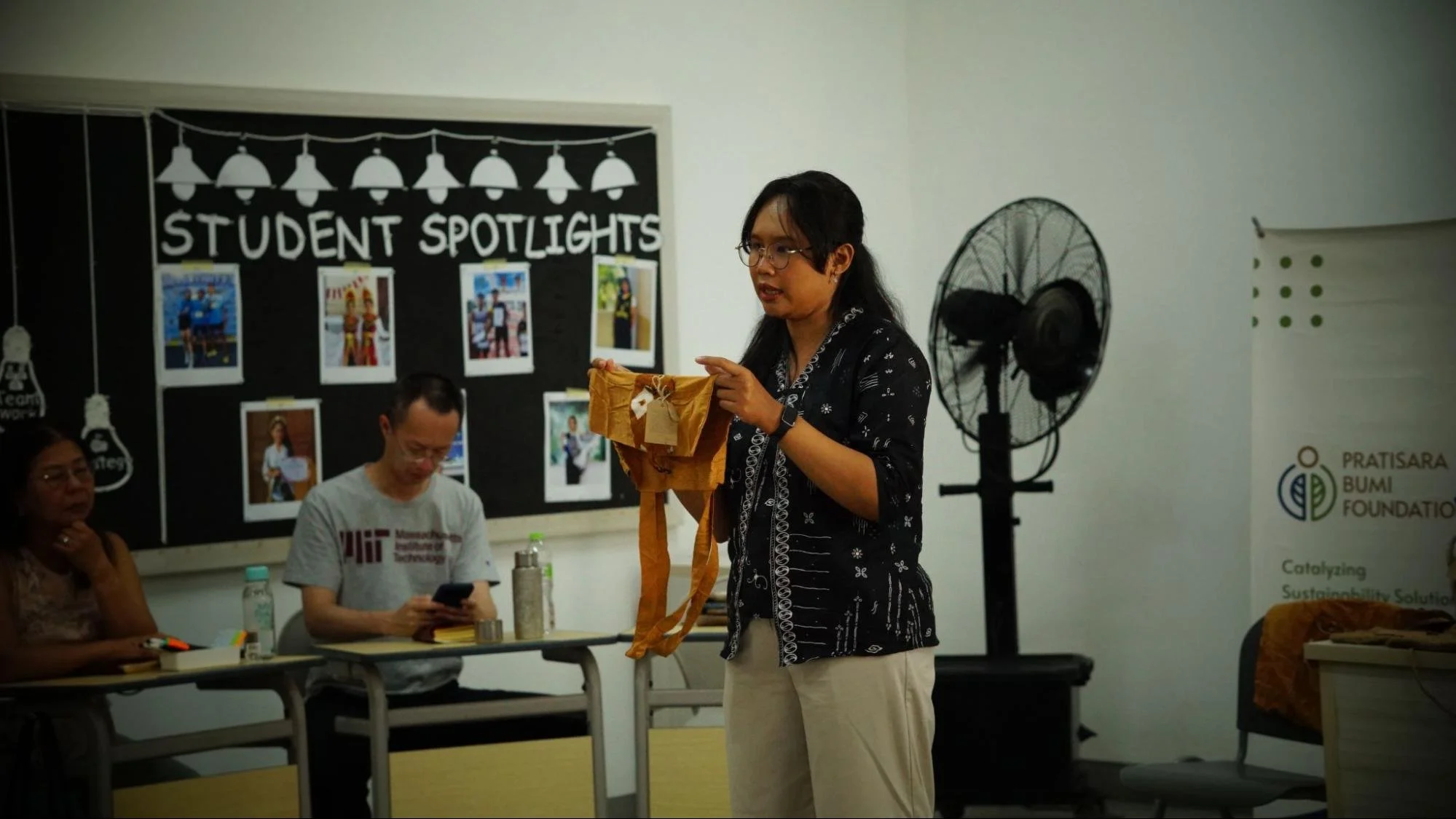
Photo credit: Yayasan Sinar Harapan Bali
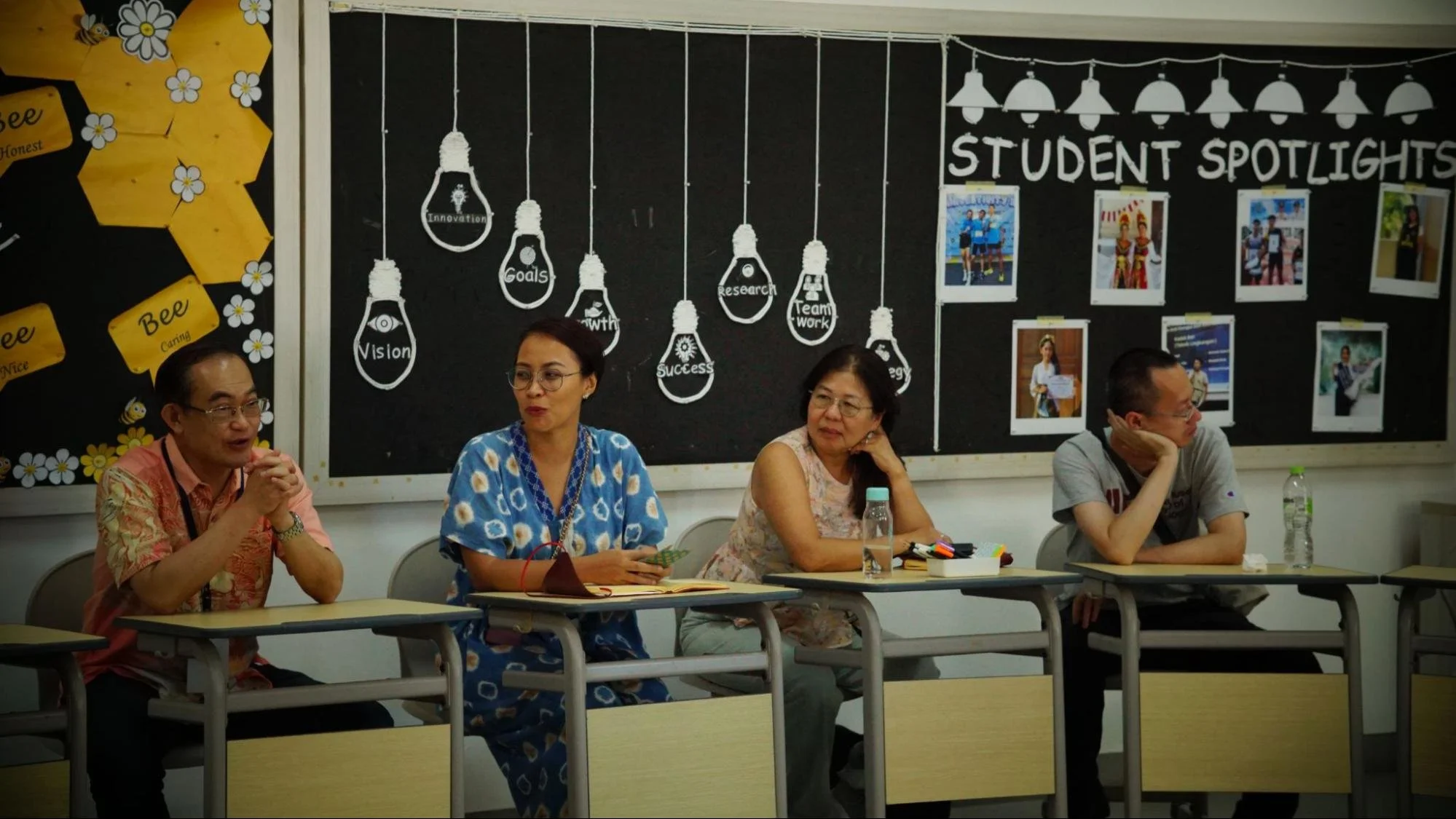
Photo credit: Yayasan Sinar Harapan Bali
After the presentation, we continued the conversation with participants from IDEAS Asia Pacific 3.0. The discussion became more interactive as participants showed curiosity about some of the products and stories we brought as examples of the community-led initiatives we support.
Among the examples we shared was a handmade bag made from natural fibre by Seratnusa who works with women’s communities in Lampung and Garut. We also introduced textiles from Kriya Kite and SBK Sasisrangan, which focus on natural dyes. These products served as tangible examples of how local initiatives can create impact within their communities.
We talked about the process behind each product, from production and the involvement of environmental, social, and economic aspects, to how these products eventually connect with the market.
The discussion brought many questions that also made us reflect on the stories behind each piece. Every product represents a long journey of collaboration, learning, and work at the grassroots level. And we realised that this is not only true for products, but also for advocacy and conservation work.
We were proud to bring the importance of local knowledge into the conversation. The knowledge held by communities is not simply something to be collected or documented. It is part of the process, and communities themselves are important knowledge holders and co-creators.
Learning Beyond Our Own Journey
The event then moved into the next sessions and networking opportunities. We also had the opportunity to learn from Prof. Otto Scharmer from MIT Sloan about learning and reflection.
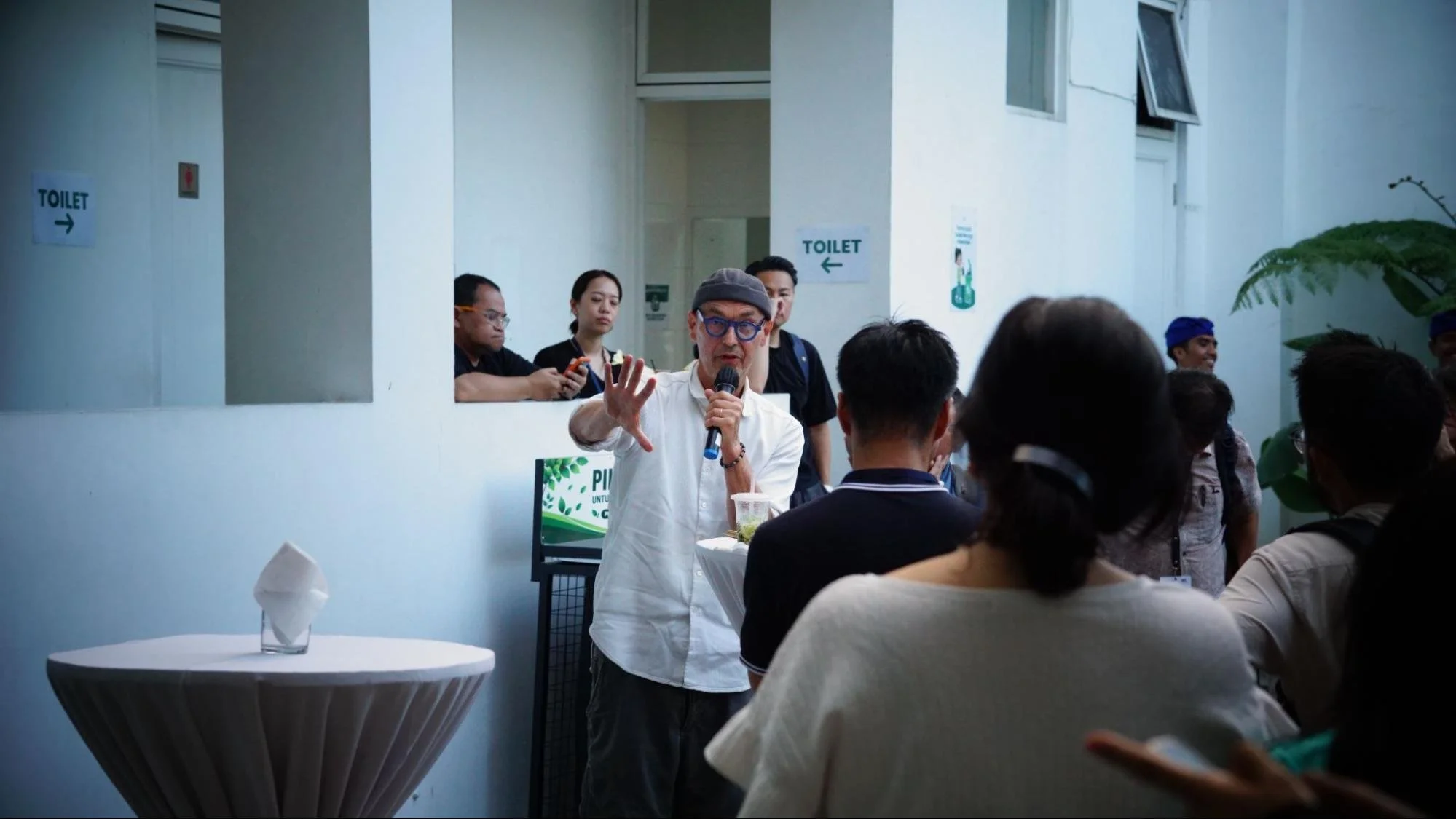
Photo credit: Yayasan Sinar Harapan Bali
Meeting and exchanging ideas with people from government, sustainability, academia, and different community organisations made the conversations even more diverse. It was a good mix of perspectives, conversations, and, of course, some good food along the way.
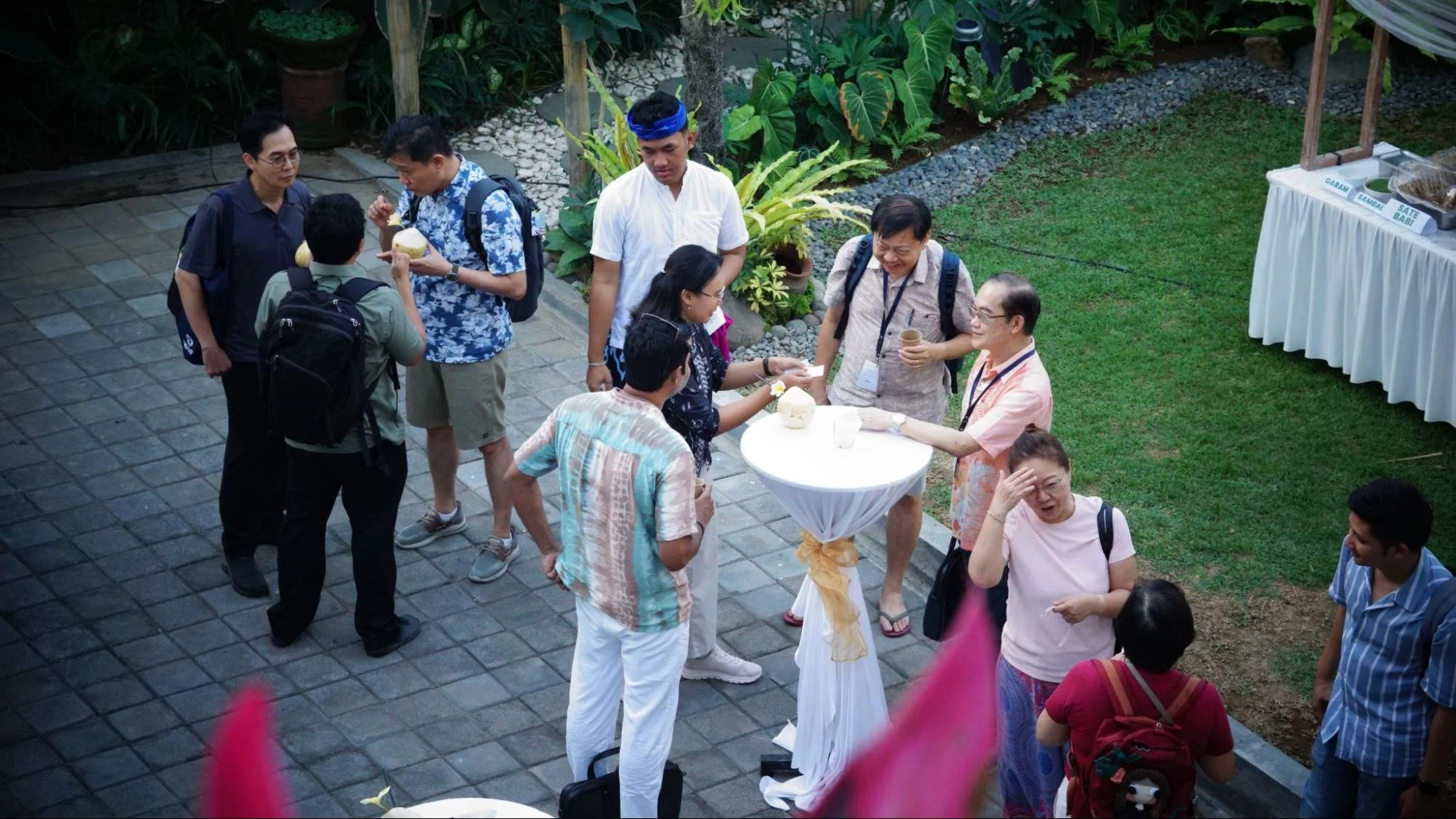
Photo credit: Yayasan Sinar Harapan Bali
We also got to know Yayasan Peduli Kemanusiaan (YPK), which works on rehabilitation and support for people with disabilities. Their work also includes providing training and support for mothers who accompany their children through rehabilitation. Seeing the handicrafts created by children with disabilities gave us another perspective on how empowerment can take different forms.
Yayasan Sinar Harapan Bali also shared their work supporting children from low-income families through tutoring, counselling, and other learning support. Their work creates space for children to access education, develop their potential, and have better opportunities for their future.
What stood out to us throughout the day was how many of the conversations came back to one thing: meaningful change rarely happens alone.
Behind every impact number, there are people, stories, relationships, and a spirit of collaboration that make the journey possible.
The conversation does not end when the event does. We look forward to continuing to learn, collaborate, and create more spaces where grassroots voices can shape the conversation.